Every call. A commitment.
A closer look at the medical, fire and rescue responses that connect our squad to our community.
A community commitment, measured.
2025 · Calls that matter
Selected categories in the department’s annual report. Categories are not a complete breakdown and should not be added together.
- Unconscious / decreased consciousness941
- Cardiac, chest pain & stroke670
- Pedestrian / cyclist struck52
24.6 responses a day
Daily average calculated from the published annual total.
These are unit responses: more than one ambulance, rescue squad or command vehicle may respond to the same incident.
Read the 2025 report2024 · Calls that matter
Selected categories in the department’s annual report. Categories are not a complete breakdown and should not be added together.
- Unconscious / decreased consciousness826
- Cardiac, chest pain & stroke673
- Pedestrian / cyclist struck73
24.1 responses a day
Daily average calculated from the published annual total.
These are unit responses: more than one ambulance, rescue squad or command vehicle may respond to the same incident.
Read the 2024 report2023 · Calls that matter
Selected categories in the department’s annual report. Categories are not a complete breakdown and should not be added together.
- Unconscious / decreased consciousness753
- Cardiac, chest pain & stroke685
- Pedestrian / cyclist struck55
22.4 responses a day
Daily average calculated from the published annual total.
These are unit responses: more than one ambulance, rescue squad or command vehicle may respond to the same incident.
Read the 2023 report2022 · Calls that matter
Selected categories in the department’s annual report. Categories are not a complete breakdown and should not be added together.
- Unconscious / decreased consciousness741
- Cardiac and stroke emergencies568
- Pedestrian / cyclist struck58
22.2 responses a day
Daily average calculated from the published annual total.
These are unit responses: more than one ambulance, rescue squad or command vehicle may respond to the same incident.
Read the 2022 reportThe annual picture
Total unit responses, 2022–2025. Use the year selector for each annual report.
Train for the moment that matters.
EMTs, paramedics and firefighters bring preparation and commitment to every response.
Explore membershipWhat happens when you call 911?
Bethesda-Chevy Chase Rescue Squad units are dispatched to a variety of types of emergencies, from minor medical emergencies and injuries to cardiac arrests, vehicle collisions, fires and much more.Bethesda-Chevy Chase Rescue Squad volunteers respond to approximately 1,500 vehicle collisions every year. Our response area includes many major roads, as well as the Beltway and I-270. All collisions require the response of at least one ambulance and a fire engine, with many also including one of our heavy rescue squads.
When collisions involved trapped or pinned victims, the crew of the heavy rescue must carry out complex procedures to stabilize the vehicles, gain access to patients, remove parts of the vehicle that are in the way and remove the patient. This effort is conducted in collaboration with career and volunteer firefighters, EMTs and paramedics from surrounding stations or jurisdictions.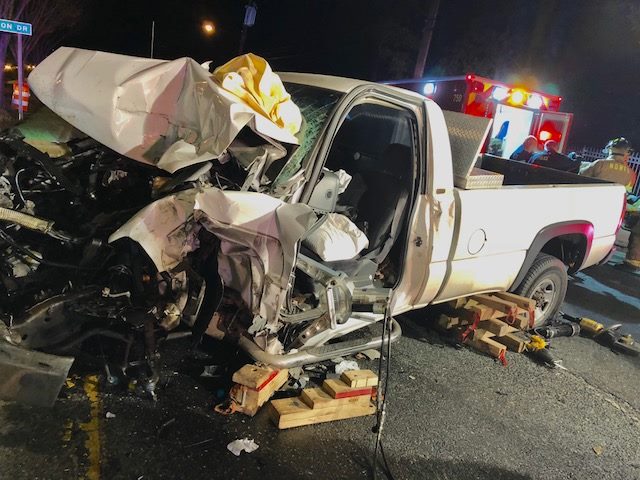 In a cardiac arrest, a patient has no pulse and is not breathing; it is not the same as a heart attack, although heart attacks are a frequent cause of sudden cardiac arrest. Without a quick response, the chances of survival from cardiac arrest are very slim. Bystanders—friends, family members, or other witnesses—play a crucial role by identifying the problem quickly and calling 911. Performing CPR and using a public-access automated external defibrillator (AED) also greatly increase the victim’s chance of survival. Even if you do not know CPR, stay on the line with the emergency dispatchers and they will talk you through the steps of performing hands-only chest compressions.
Often, several units, including fire trucks, are dispatched to a call for cardiac arrest. Because CPR may need to be performed for several minutes, and many other vital medical tasks need to occur in a coordinated fashion, a large team of paramedics and EMTs is sometimes required.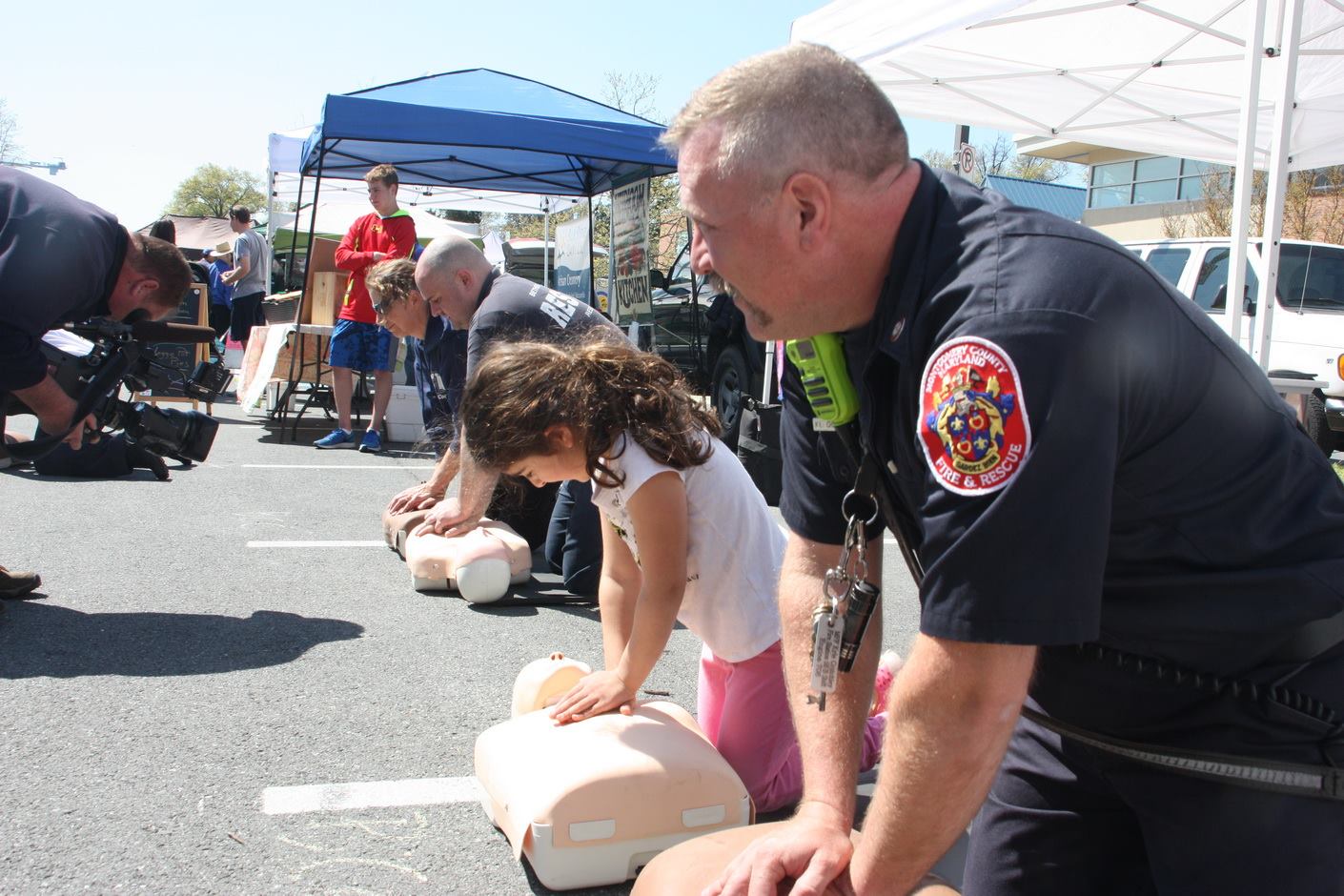 One of the most common reasons for 911 calls is difficulty breathing. This can be caused by a number of underlying conditions, from anxiety to asthma, pneumonia to heart failure. EMTs can deliver several lie-saving treatments, including oxygen and epinephrine. In addition, these calls normally result in the dispatch of at least one paramedic, who can perform a more through clinical assessment and deliver other treatments. These included continuous positive airway pressure (CPAP) as well as many medications.
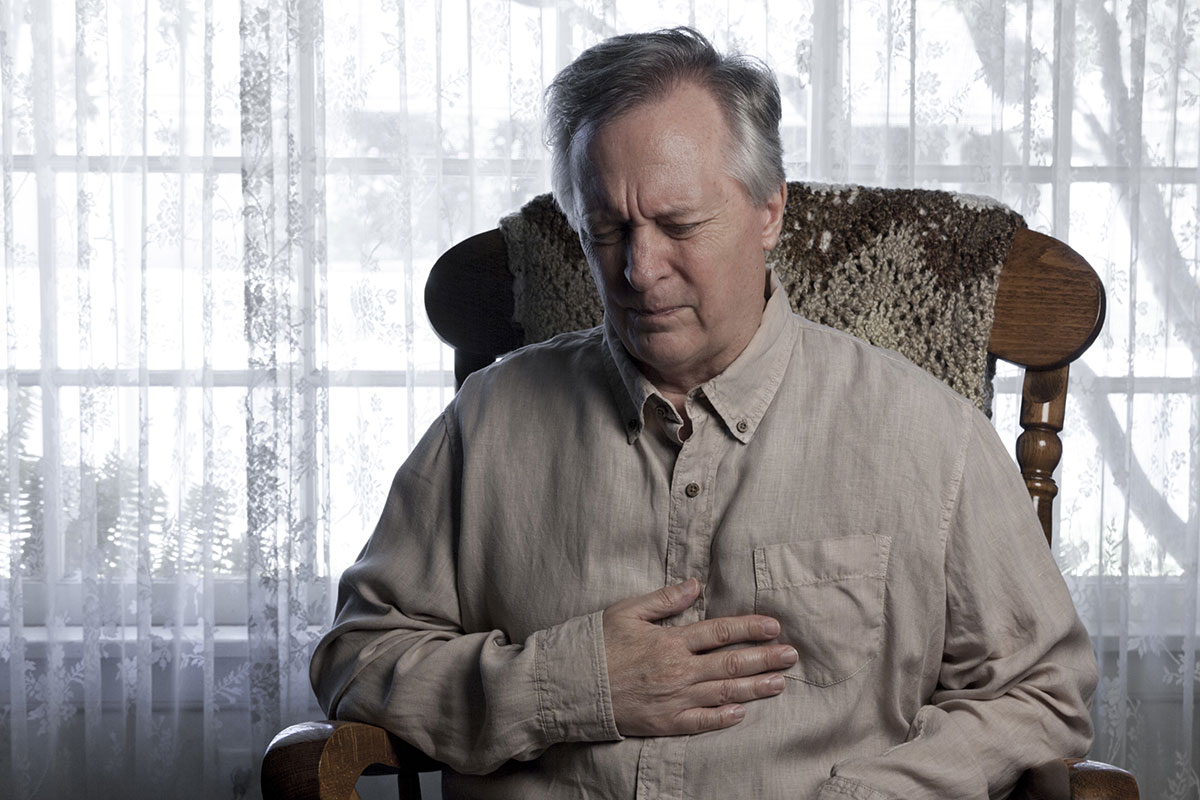
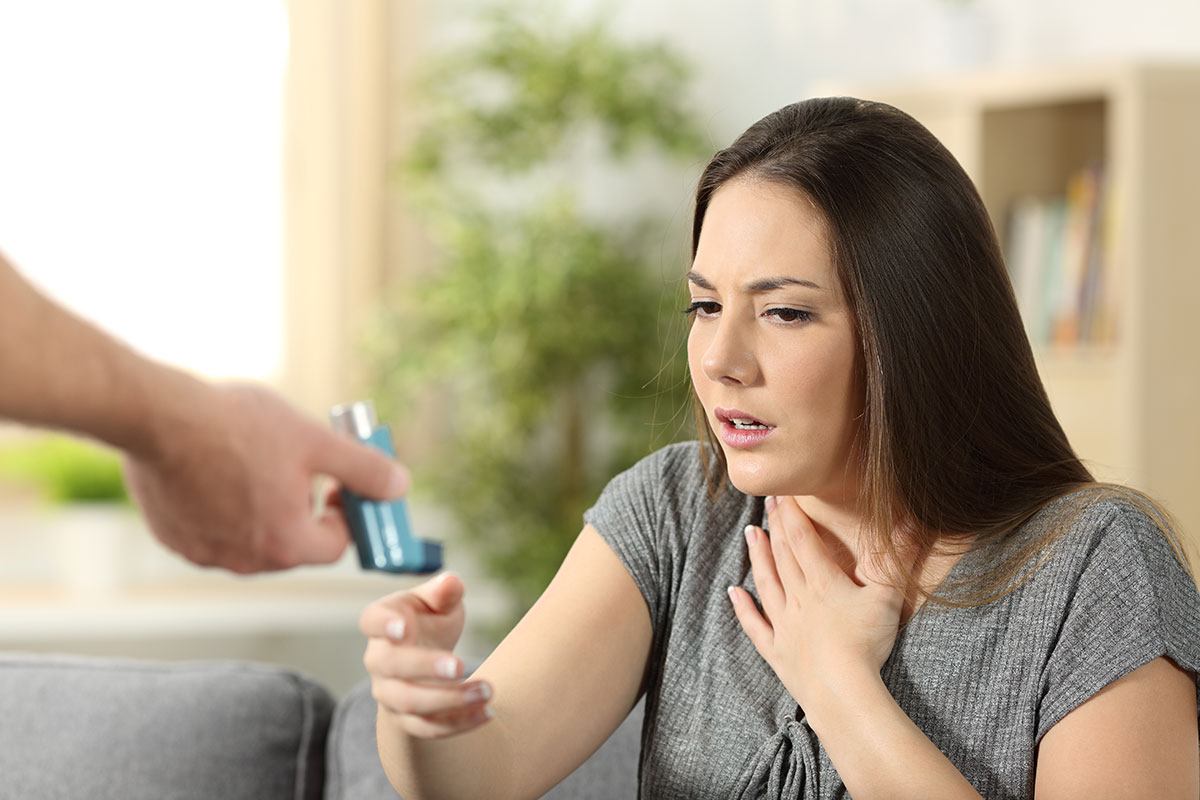 BCCRS units also respond to numerous calls for chest pain each year. Chest pain can be caused by many conditions, with a myocardial infarction—better known as a heart attack—being just one. EMTs can assess patients and administer aspirin, which can significantly reduce the heart damage caused by a heart attack. Paramedics have additional training that allows them to perform and interpret ECGs in order to identify specific types of heart attacks and make sure patients are transported to a hospital capable of performing emergency cardiac catheterization.
 Every call for a structure fire gets a full response of fire and EMS companies that includes engine companies for water, truck companies for aerial ladders or platforms, heavy rescue companies for search and rescue, ambulances to support the fire crews and treat any injured civilians and command officers to organize and supervise the response. A large number of personnel are sent because of the complexity of firefighting operations and the speed at which fires and spread and become major incidents.
County operating procedures delineate standard assignments for every unit responding to a fire. The heavy rescue crew is typically responsible for conducting a rapid search of the structure to locate and removing trapped civilians. The process is difficult and limited by poor visibility, heat and structural compromise. Once victims are removed or the structure is found to be unoccupied, the rescue squad crew turns its attention to controlling gas and electric utilities as well as executing firefighting tasks assigned by the command officers supervising the operation.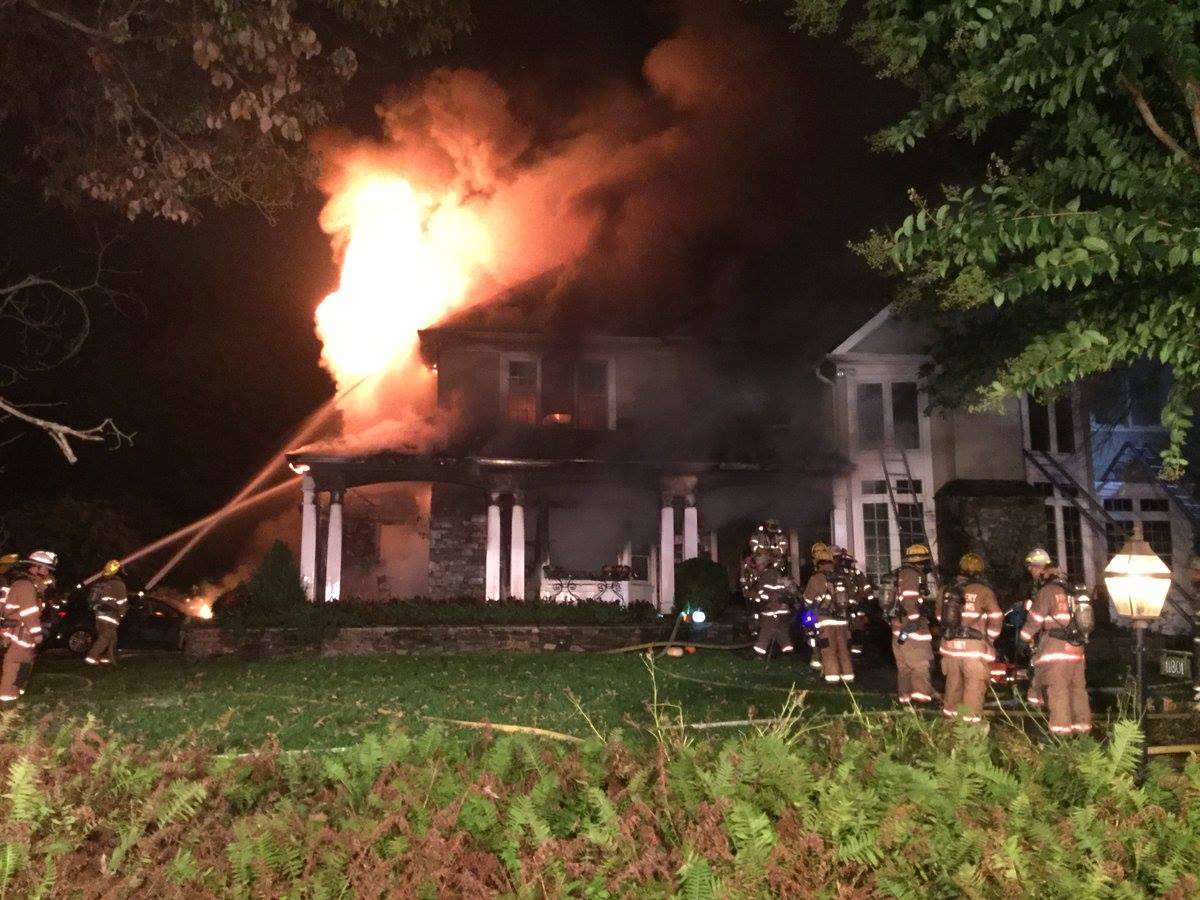 While not frequent, technical rescue calls are often extremely challenging and complex incidents that can require large numbers of trained personnel and extensive resources. BCCRS members train and maintain proficiency in many advanced tools and intricate intricate systems, including rope that are often used in these situations. Calls that we have responded to include rescuing people from deep, limited entry elevator shafts; conducting auto extrication inside buildings, removal of patients from multiple types of spaces within the subway system, industrial accidents where victims are trapped in machinery; slope evacuations, and more. Some of these solely involve local resources, but the Rescue Squad can also integrates with other Montgomery County’s resources, including the Technical Rescue Team at incidents that require response from both.
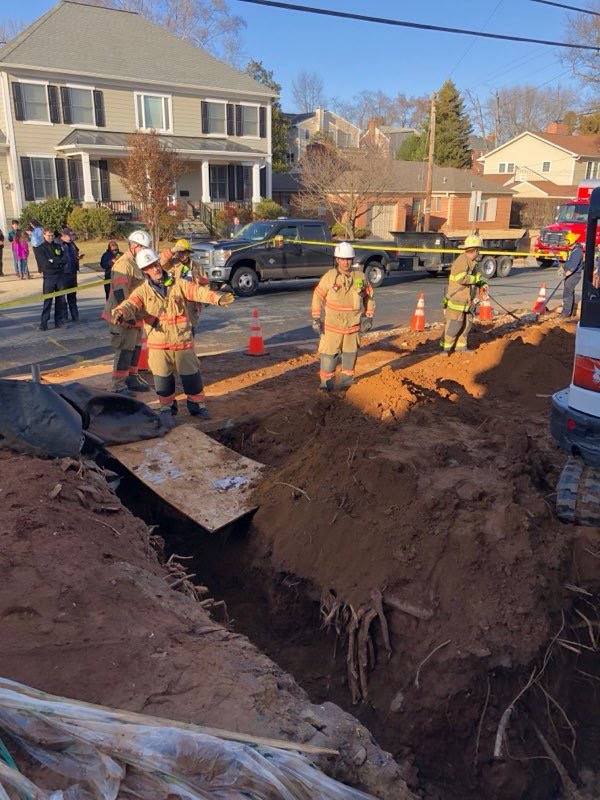 Not every call is an emergency. BCCRS units are often dispatched to evaluate a problem and ensure a scene is safe. Examples of service calls include gas leaks, where firefighters on the heavy rescue squad use our multi-meter to determine if gas is present in the environment, determine the source of the leak and, if necessary, shut down gas flow and obtain assistance from Washington Gas; electrical shorts, which often require using electricity probes and other tools to examine equipment and ensure no hazard remains; or lockouts—when children manage to get themselves locked in vehicles or when citizens accidentally get locked out of vehicles or homes.